
The Fate of the Social in Modern Life: American Social Scientists and Japan as Archive
In the decades following World War II, American social scientists turned to the study of Japanese society as an emerging ally and fellow capitalist democracy. At a time when influential theories of modernization predicted the decline of kinship, community, hierarchy, and collective obligation, Japan presented a puzzle. It was an advanced industrial and capitalist society in which village, family, corporate welfare, and moral persuasion in public institutions played powerful roles in organizing everyday life.
This talk examines how postwar scholars treated Japan not simply as an object of study but as a site for thinking through a larger problem in modern social thought: the relationship between individual freedom and social solidarity. Drawing on chapters from a larger book project, I revisit three influential studies of Japan: Ruth Benedict's The Chrysanthemum and the Sword (1946), Ezra Vogel's Japan's New Middle Class (1963), and Thomas Rohlen's For Harmony and Strength (1974). I argue that these works are best understood not only as interpretations of Japan but also as reflections on what I call the "social question" in postwar thought: how modern societies cultivate attachment, obligation, welfare, and collective purpose while preserving democratic freedoms and individual autonomy. By placing these texts in conversation, the talk suggests that postwar Japan functioned as a distinctive archive for thinking about enduring questions of social reproduction and social solidarity in democratic life.
About the speaker:
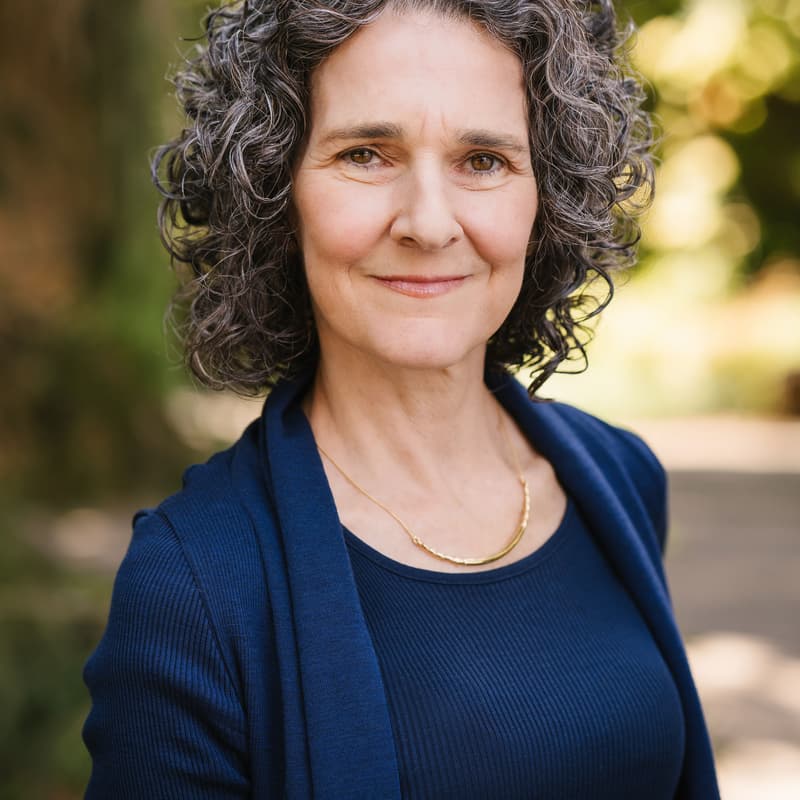
Amy Borovoy is a cultural anthropologist and professor in the Department of East Asian Studies at Princeton University. She is interested in the ways in which societies provide social care to their citizens and the costs of this care. Her book, The Too-Good Wife (2005), explored heavy drinking in Japan and its effects on the wives who must cope with their husbands’ alcoholism. She has also written on social withdrawal, public health and mass screening, and Covid-19 containment in Japan. Her manuscript in progress, In Search of Social Solidarity, explores how American social scientists after World War II made sense of postwar Japan not simply as an object of study but as a site for thinking through a larger problem in modern social thought: the relationship between individual autonomy and social solidarity, community welfare, and the socialization of the self.