
Digital Micro Publics Workshop
Termite is excited to host an afternoon dedicated to digital micro publics, led by the artist Kat Macdonald.
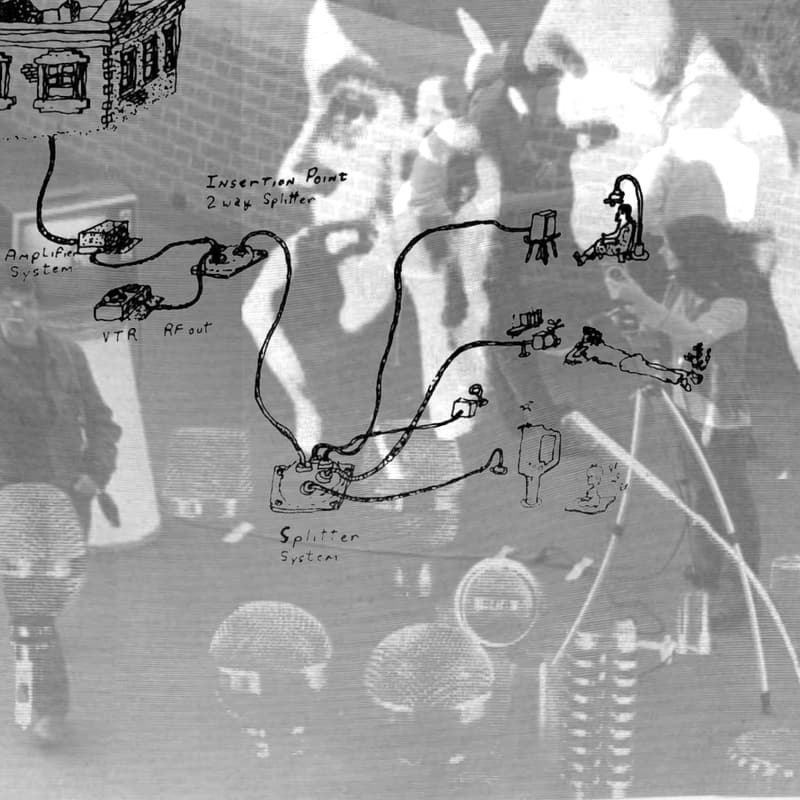
Following from Kat’s research into micro publics and the mini-fm radio movement of the 1980s, this event poses the question: "what constitutes a digital micro public?"
In 2002 Ash Amin coined the term micro public, as a way to describe and bring attention to everyday spaces (cafes, supermarkets, community gardens, schools, leisure spaces, youth centres and food halls) as sites of community and tolerance building, through everyday cultural exchanges. These spaces were seen as integral due to how they centre interactions of mundane difference, thereby increasing people's capacity to hold and accept difference as something non-threatening. Kat asks how we can reshape community building in digital environments to centre everyday sites of cultural exchange.
The event will begin with a performance lecture by Kat Macdonald on the links between the Mini-Fm movement and the sociological concept of micro publics as a starting point for applying these ideas to digital environments. Following the lecture, we will break for a meal, during which you are encouraged to share digital spaces (imagined or existing) which you think capture a form of micro public. Our hope is that through this, we can collectively outline commonalities that these spaces hold, to build an aesthetic language to better identify a digital micro public.
As a starting point, you could begin with thinking of non-algorithmic forum space as something that might constitute a form of micro public.
14:00 - Doors Open
14:15 - Lecture / Workshop Begins
15:45 - Meal
16:15 - Sharing Session
Kat Macdonald is a London-based sound and performance artist exploring collective practice and public space through technology, transmission and alternative pedagogies. She is the founder of the London Community Laptop Orchestra and a long time member of the Design And Performance Lab (DAP Lab).
Termite is a London-based programme for interdisciplinary invention. It invites practitioners from different fields to collaborate on new tools and frameworks that expand human agency amid rapid technological change.