
The Art of the Shadow
Shadow Work and Shadow Integration, based on the Work of Carl Gustav Jung
Within the darkness you avoid lies the treasure you seek.
What parts of ourselves do we hide, reject, or simply fail to see? In this 3 hour introductory workshop, we will explore the fascinating world of Shadow Work and learn how our hidden parts influence our emotions, relationships and recurring patterns. You will gain a clear understanding of the psychology behind the shadow, how it develops and, most importantly, how to recognize and work with it in everyday life.
But this workshop is not just about understanding. It is about experiencing. Through guided meditations, we will meet both the Dark Shadow, the parts we tend to reject or suppress, and the Light Shadow, the strengths, qualities and potential we may not yet fully recognize in ourselves. There will also be space for collective deep reflection, exchange and real life examples from my work with clients.
You will leave with practical Shadow Work techniques and tools that you can continue using at home for your own inner work or integrate into your work with clients. The intention is to give you both a deeper understanding of Shadow Work and a practical foundation to begin working with it yourself. No previous experience with Shadow Work or Jungian psychology is required.
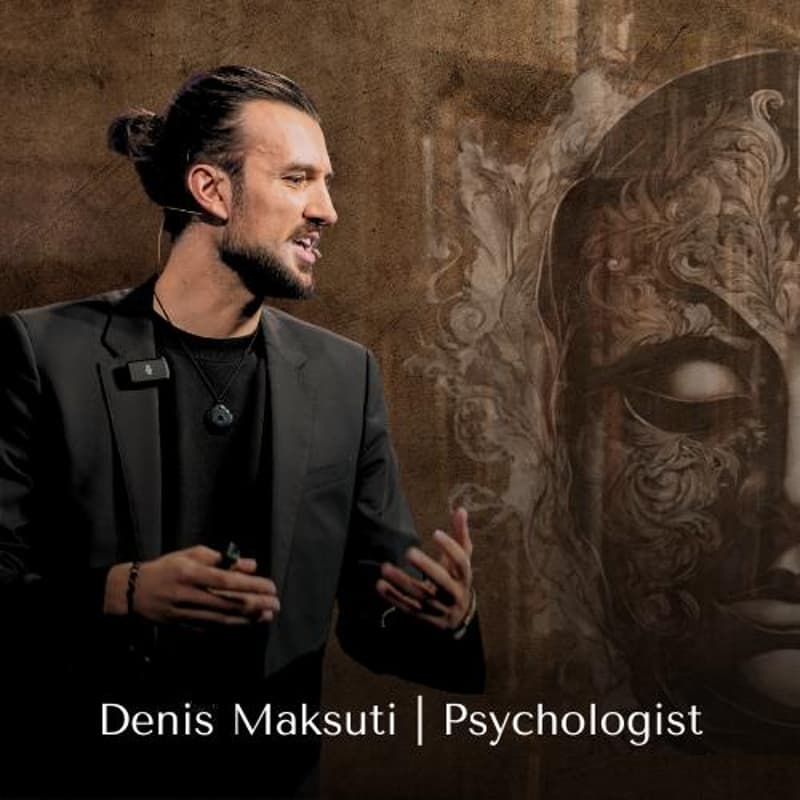
Denis Maksuti, MSc Psychology, is an Austrian psychologist, speaker and expert in Shadow Work and Shadow Integration. He is the founder of AuthentiQ and @Schattenpotenzial, two movements dedicated to integration, authentic personal development and inner transformation.
Known for his work on Shadow Integration in the German speaking world, Denis has guided workshops, worked extensively with clients and delivered keynote talks to audiences of hundreds of people. His approach combines psychology and Jungian Shadow Work with training in NLP and trauma informed healing, bringing together psychological depth and practical inner work.
At the heart of his work is a simple idea: the parts of ourselves we avoid often hold the greatest potential for growth. His work makes these hidden parts accessible, understandable and, most importantly, something we can learn to integrate into our lives.