
What’s holding public health back from embracing tobacco harm reduction?
Featuring:
[Co-moderator] Gaby Zabala-Alemán Project Manager, Tobacco Harm Reduction Education and Engagement (THREE), National Harm Reduction Coalition (NHRC)
[Co-moderator] Jessica Shortall, Strategic Partnerships Lead, Healthier Communities Team, R Street Institute
Jeffrey Willett, Director, Project to End Smoking, Progressive Policy Institute (PPI)
Helen Redmond, Senior Editor and Multimedia Journalist, Filter Magazine; Adjunct Assistant Professor, New York University
Joe Gitchell, CEO, Pinney Associates
Amid the ongoing opioid overdose crisis, healthcare professionals and public health entities alike have largely embraced harm reduction as an approach that can save lives and help people move more successfully into recovery and wellness.
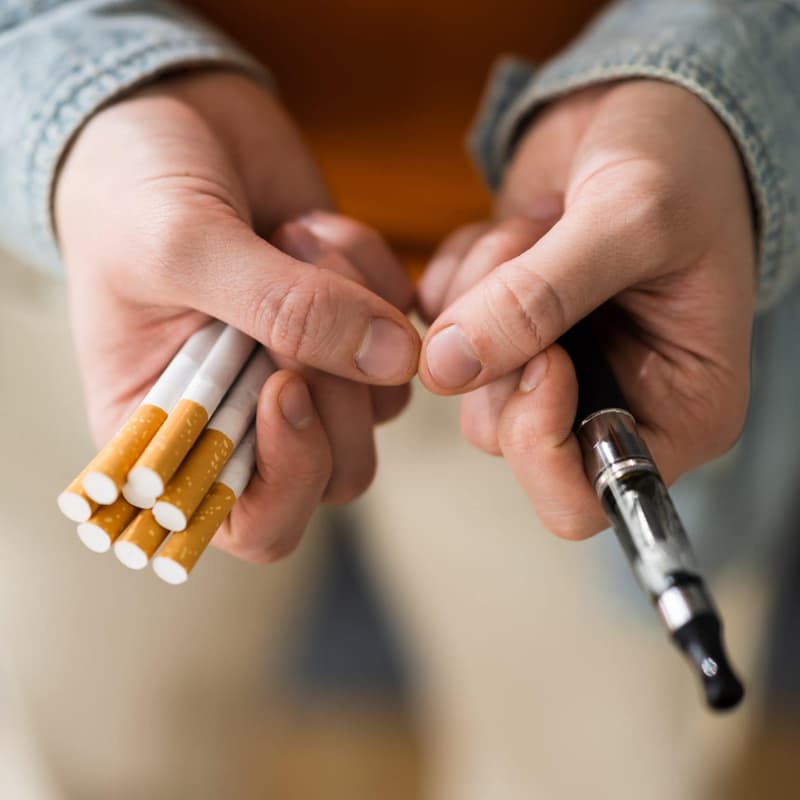
But what about smoking tobacco, which kills nearly half a million Americans every year? Many healthcare providers still believe nicotine causes cancer (it doesn’t; it’s the combustion and smoke that deliver carcinogenic toxins into the body) and that vaping is as dangerous to health as smoking (also untrue). And many leading public health organizations maintain a prohibitionist stance when it comes to reduced-risk nicotine products like vapes and nicotine pouches, sharing misleading information that wrongly places vaping on par with smoking in terms of health risk. These positions create barriers to engaging in tobacco harm reduction that have real human costs.
Join us to hear from experts working to bring tobacco harm reduction into mainstream public health and healthcare conversations. We will discuss how these barriers impact health, wellness, and mortality among the nearly 10 percent of U.S. adults who still smoke cigarettes and what must happen to change this picture.