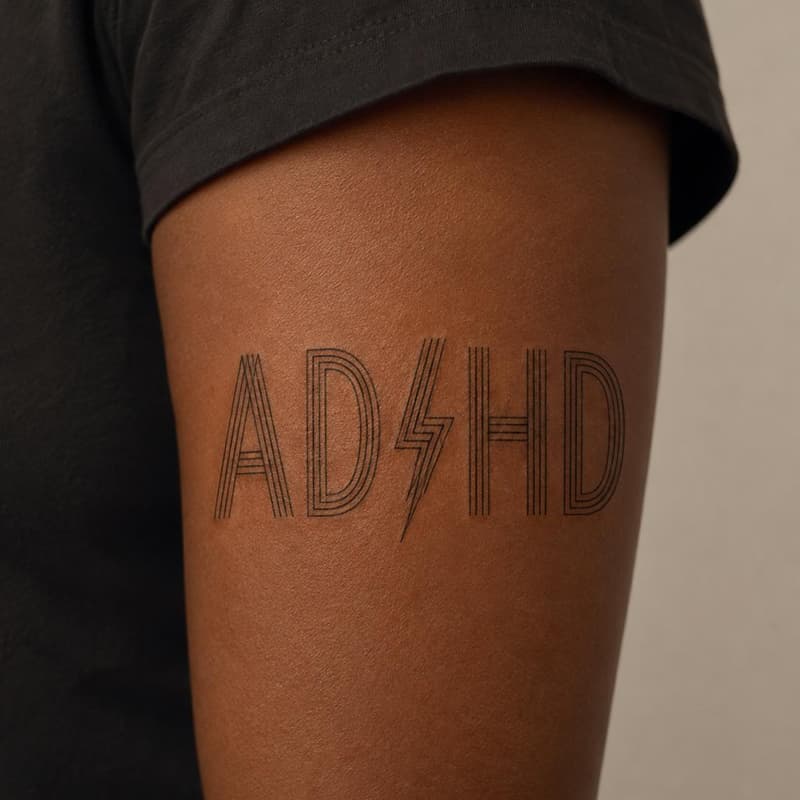
Stress Management for Late-Diagnosed ADHD | With Swami Dhyanananda | free online workshop
A late diagnosis often comes with the relief of finally having an explanation. But it brings new challenges as well: Grieving having been misunderstood one's entire life. Questions about medication. Newly learning a lifestyle that is sustainable and works with ADHD long-term.
Generic stress management advice does not account for neurodivergence, and in fact often produces even more stress. This workshop covers an informed approach, from therapeutic and lived experience.
We cover:
- stress patterns specific to late diagnosed ADHD
- how to use and trust your own experience and wisdom
- which adjustments make the biggest difference
- why generic stress management backfires for ADHD
With Q&A; bring your questions.
The workshop is free. A voluntary donation is welcome (link will be shared in the meeting).
Who Can Attend:
All are welcome, regardless of faith or no faith, if you can respectfully participate in a Hindu monastic led workshop that centres intersectional experiences and understandings.
What You Need:
A quiet, undisturbed place. No moving or interruptions
Doors close 2 minutes after start
Teacher:
Swami Dhyānānanda Saraswati (they/them) is a therapeutic Yogācārya and ordained monastic in the tradition of Advaita Vedānta and Yoga, serving a diverse community. Their background in social justice, research, literature, and empowerment spans over thirty years. Current focuses include intersectionally informed support for health and societal sustainability, as well as teaching Sanskrit recitation.
Medical Disclaimer
The workshop is neurodivergence informed for ASD, ADHD, CPTSD and Tourette's.
It is not suitable for people in an acute severe crisis. If you are in an acute crisis, please contact a crisis hotline immediately.
The workshop is intended for educational purposes only, not a replacement for medical care, and does not constitute medical, psychological, or healthcare advice, a diagnosis, or a therapist-patient or -client relationship. It does not replace medical consultation on forms of therapy.