Neuromorphics Launch Event
In collaboration with UniCS and Manchester MedTech Society
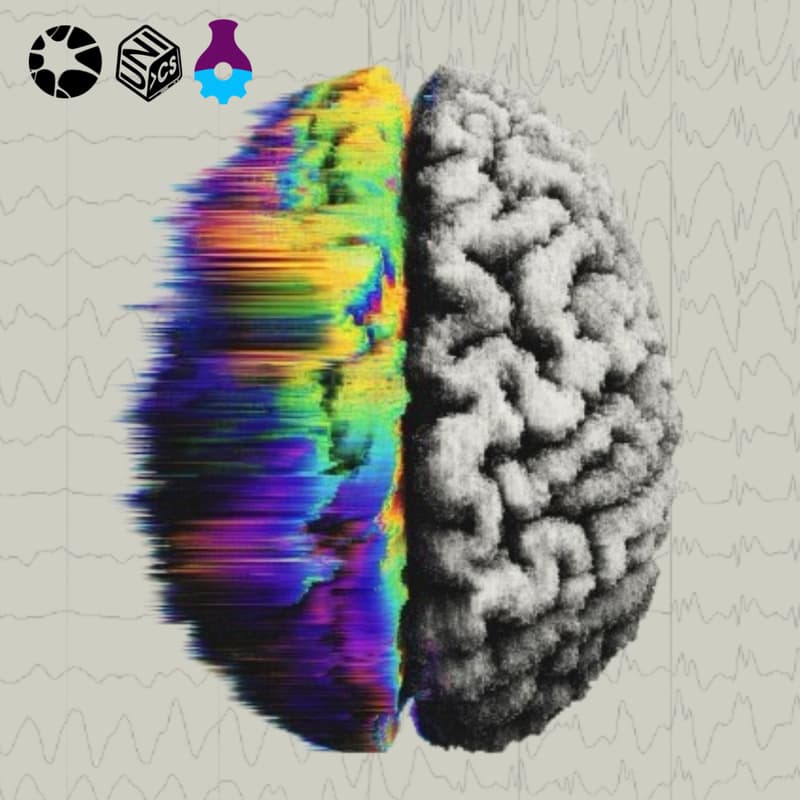
We present an overview and appreciation for biological neural networks, brain activity, machine learning and brain inspired computer chips (neuromorphic computing). We are hosting this event alongside the launch of our neuromorphic EEG decoder project. Full details, including link to the application form, can be found on our Instagram page.
If you can't attend in person we hope to live stream the event. We will also record it and post it to our youtube channel. All platforms can be found through our linktree
https://linktr.ee/neurotechnologysociety
Adrian Duszkiewicz (13:05 - 13:45):
Approaches to neural decoding from spiking activity and the technical challenges involved.
How neurons in the mouse head-direction system encode a sense of orientation in space and how visual information helps calibrate this internal compass.
Using large-scale neural recordings and fast decoding algorithms to read out the brain’s internal representation of direction from ongoing spiking activity in real time.
From mice to humans: can we decode similar orientation signals from the human brain?
10 min Q&A/break
Thomas Donoghue (13:50 - 14:30):
Intro: Electroencephalography (EEG) recordings are a useful, non-invasive measurement of aggregate electrical neural activity that can be recorded from the scalp that can be used to investigate questions from across cognitive and clinical neuroscience, and used in brain-computer interface (BCI) devices.
Fundamental properties of both the biological sources of EEG data, and the kinds of time-series analyses we can apply to it, in order to make sure we accurately measure well-defined features of interest.
This talk will provide an overview of some strategies for doing so, introducing some principles for data-driven feature detection and measurements from EEG data.
10 min Q&A/break
Andrew Rowley (14:35 - 15:30):
Neuromorphic Computing devices are designed to mimic aspects of the brain, in an attempt to replicate some of the properties that make the brain able to compute on highly complex problems with very low power.
Artificial intelligence and the properties of neural networks that neuromorphic devices are designed to simulate
The various devices in operation today
Discussing the SpiNNaker platform in more detail, including its ability to communicate with external devices and how this could be used in future neurotechnology applications.
10 min Q&A/break