Smarter Methane Monitoring: A Resilient Planet's Best Investment
Methane is one of the most powerful levers we have for near-term climate action. Responsible for around 30% of current global warming, it is emitted from fossil fuel operations, agriculture, waste, and natural systems including wetlands, permafrost, and wildfires. Critically, because methane breaks down in roughly a decade, action taken today delivers rapid, measurable climate benefits by reducing warming, improving air quality, and lowering the risk of dangerous Earth system tipping points.
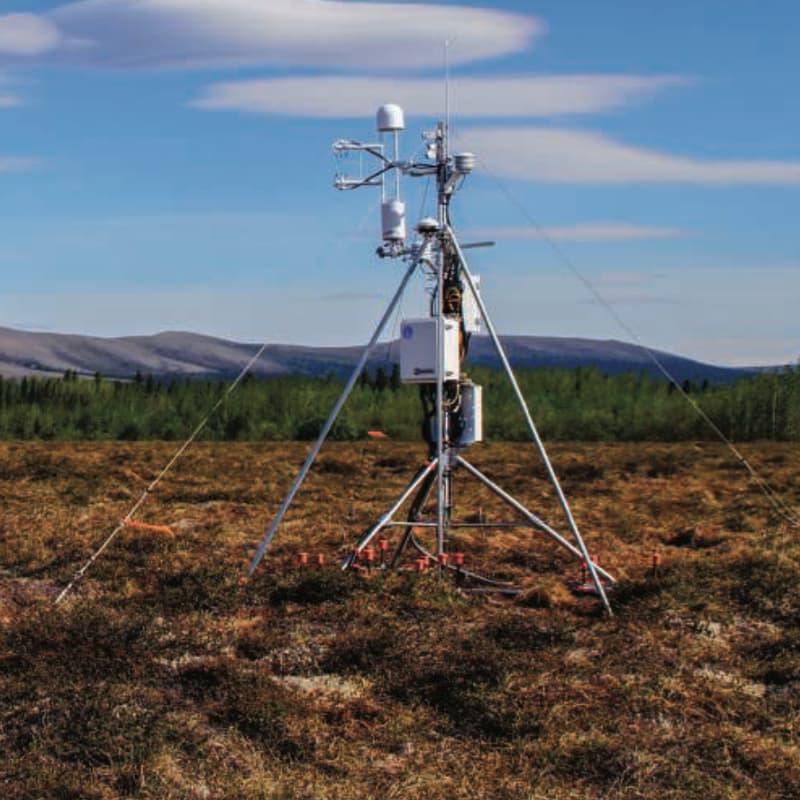
Yet our ability to monitor methane — to know where it's coming from, how much, and whether policies are working — remains uneven. Networks of ground stations, aircraft, and satellites have tracked atmospheric methane since the 1980s, but geographic gaps, funding shortfalls, and data fragmentation leave blind spots precisely where we need clarity most.
The urgency has never been greater. The Global Methane Pledge and the landmark Angera Declaration for Methane Action — which calls for urgent, coordinated action to halt the rise in atmospheric methane and strengthen the scientific foundation for methane policy — together signal a growing global consensus: methane action is no longer optional, and robust, independent monitoring is the bedrock on which credible commitments must be built.
This session convenes leading methane scientists to take stock of where we are and where we need to go. Two panels will explore the vulnerabilities in current monitoring networks, highlight critical gaps across polar, tropical, and urban environments, and, crucially, map the opportunities for smarter, more integrated monitoring systems that can underpin the Global Methane Pledge, deliver on the ambitions of the Angera Declaration, and support the next generation of climate finance and policy.
Panelists include:
Dr. Heather Graven, Imperial College — urban methane monitoring
Dr. Ben Poulter, Spark Climate Solutions — public-private-philanthropic partnerships in monitoring
Dr. Euan Nisbet, Royal Holloway, University of London — global methane monitoring
Dr. Angela Gallego-Sala, University of Exeter — tropical methane monitoring
Dr. Paul Palmer, National Centre for Observation, University of Edinburgh — global and tropical methane monitoring
Dr. Rob Jackson, Stanford University — tropical Amazonia methane monitoring
Dr. Lutz Merbold, Agroscope, CH — African methane monitoring