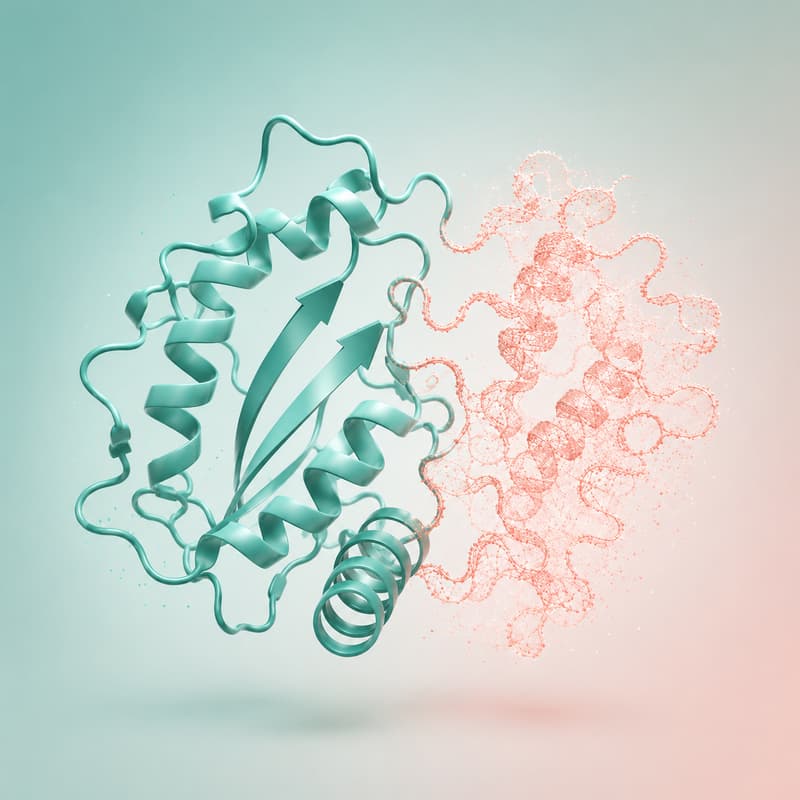

Re-imagining Proteins with AI: Antibodies and Beyond
AI has changed what’s easy in protein engineering. Structure prediction, de novo binder and antibody design, developability and immunogenicity triage, sequence optimization - work that took years now takes months and even days. The harder question is what that actually buys us. A pipeline moves at the speed of its slowest step, and a step getting cheaper only shortens the timeline if that step was the one holding things up.
Our discussion takes that question seriously across the modalities defining the field today - antibodies, ADCs, nanobodies - and look into the future of engineered proteins: transcription factors, enzymes and proteins with previously unseen properties. Walking from sequence to clinic, we look at each step and ask how AI already deliver on safer bets like antibodies and where there is an opportunity to shack up the field of protein design to accelerate research, answer biological questions and expand treatment options.
Schedule:
5:30-6 registration, snacks and drinks
6-6:40 presentations by Lucas, Nikita, Rico, Isabelle
6:40-6:45 sponsor talk by Gator Bio (thank you for the food and drinks!)
6:45-6:50 stage setup
6:50-7:30 panel discussion and Q&A
7:30-8:30 networking
8:30-indefinite - bar hopping for these who likes to stay late
Meet the speakers:
James Lucas is Associate Director of Computational Protein Generation at Generate Biomedicines, where he leads de novo protein design strategy and a team developing scalable computational approaches for therapeutic discovery. His work connects generative models with computational evaluation and high-throughput experimental testing, enabling rapid design-build-test-learn cycles. Before joining Generate, James was a computational protein design scientist at Nautilus Biotechnology. He holds a Ph.D. in Bioengineering from UC San Francisco and UC Berkeley. His interests include model-guided protein engineering and translating advances in machine learning into experimentally validated protein therapeutics.
Nikita Savelyev is MSAT scientist with 8 years of expertise in production of biologics, in particular ADCs. He brings up expertise in optimizing ADC production, in particular - payload and linker chemistry and bioconjugation.
RIco Meinl is product lead for applied AI team at Retro Biosciences. His team designed new versions of Yamanaka factors to convert somatic cells into stem cells more efficiently. He and his team now integrate AI and robotics to engineer transcription factors with the goal to develop therapies that extend human health and lifespan.
Isabelle Lehoux is an expert protein scientist who engaged in small and large molecule drug discovery projects in biotech and pharmas (Gilead, Genentech, Exelixis). She will offer the protein sciences perspective and excited about opportunities to bridge the traditional discovery process and AI-first approaches.