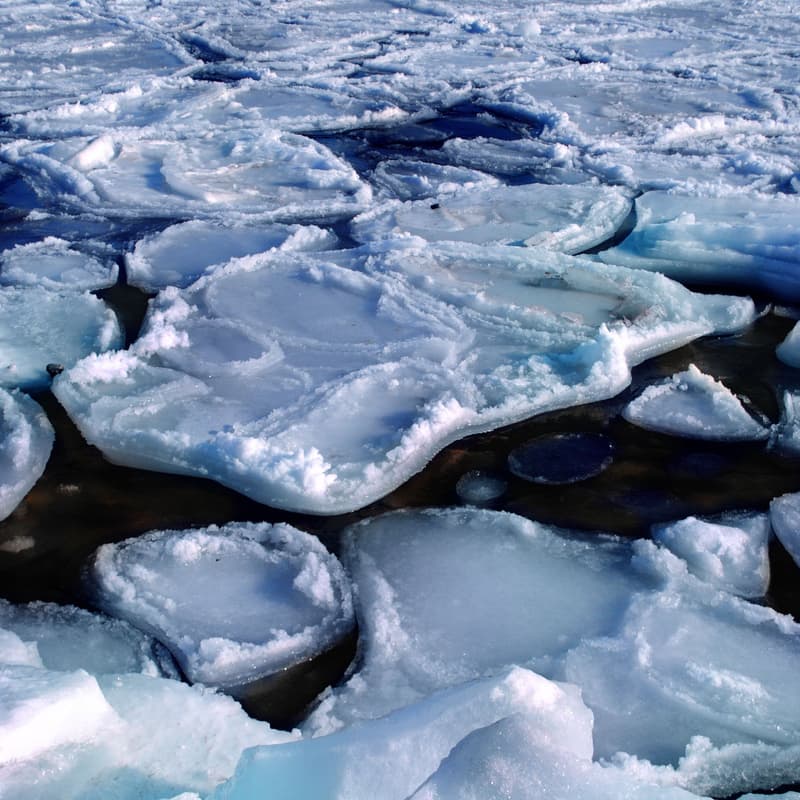
Navigating Non-Linear Climate Risk and Response: From the Arctic to the Global Climate System
Reducing greenhouse gas emissions and removing carbon dioxide from the atmosphere are urgent and non-negotiable for climate stabilization, yet they are unlikely to cool the planet fast enough to prevent irreversible climate impacts. As the world approaches—and in some cases crosses—critical climate tipping points, policymakers and decision-makers face increasing pressure to understand how climate risks can be reduced and managed in the near term.
Attention to climate intervention research is growing, but discourse around these approaches remains polarized, underscoring the need for informed, inclusive, and transdisciplinary dialogue focused on risk, responsibility, and governance. The Arctic offers a critical lens for these discussions: warming three to four times faster than the global average, it is both a hotspot of climate tipping points and a driver of broader Earth system risks, including the potential weakening of the Atlantic Meridional Overturning Circulation (AMOC). The region is also a focal area for research exploring whether and how targeted response options might reduce risks, slow harmful feedbacks, or provide temporary relief while emissions reductions accelerate.
This Climate Week NYC session convenes international leaders, experts, and knowledge holders to examine climate challenges through an Arctic-centered framing, increase awareness of responsible research underway, and explore how different response options are being evaluated for their potential to manage risks associated with rapid change and tipping points. The discussion will foster constructive, globally relevant dialogue to support informed decision-making at a moment of accelerating climate risk.
Confirmed speakers:
Dr. Anastasia (Natassa) Romanou, Columbia University and NASA Goddard Institute for Space Studies
Dr. Ginny Selz, Ocean Visions
Cynthia Scharf, Centre for Future Generations
Dr. Daniele Visioni, Cornell University