An Extreme Event: 🌿 Community-Led Social Innovation in Times of Crisis in Nepal
🌿 Beyond Relief: Community-Led Social Innovation in Times of Crisis
Host: Design for Extreme Affordability (Stanford dschool / GSB)
Location: Stanford Graduate School of Business, 643 Jane Stanford Way, Stanford, CA. 94305
Building Room: McClelland - M101D (Co-Lab)
Date & Time: Monday, November 16, 2026 • 4:00 PM – 5:00 PM PT
Light refreshments and snacks will be provided!
About this Event
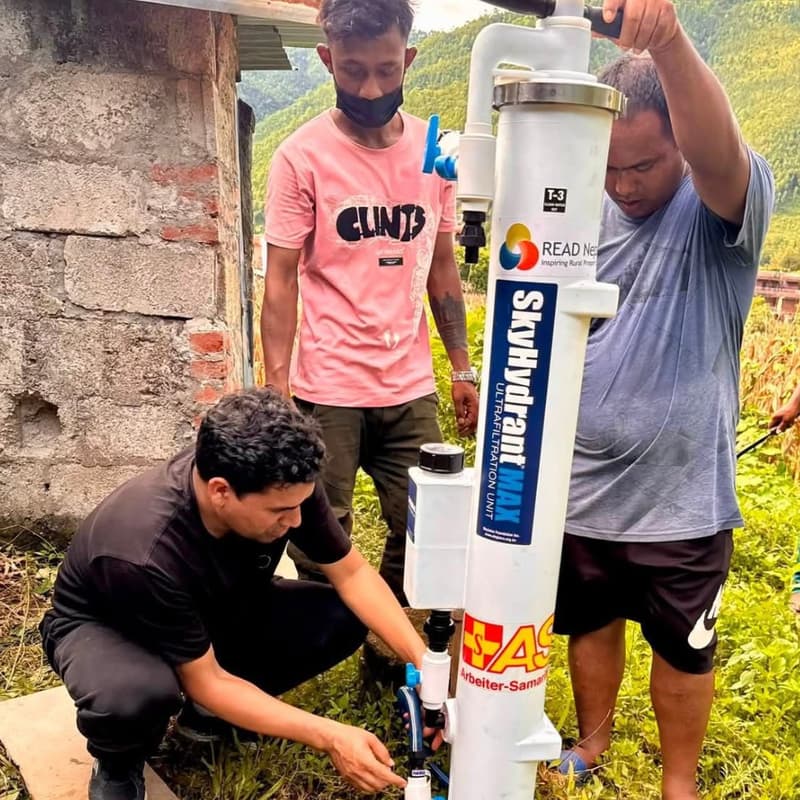
When devastating floods recently swept through Nepal, the first line of defense wasn't distant aid organizations—it was local communities leveraging decades of grassroots social innovation. Grounded in trusted relationships, deep local knowledge, and community-owned infrastructure, local leaders and volunteers mobilized instantly to shelter displaced families, deliver urgent care, and close critical gaps that institutional relief often overlooks.
What does this teach us about the grounded architecture of climate resilience, disaster response, and community-driven social impact?
Effective crisis response and lasting social transformation depend not just on how fast emergency aid arrives, but on what equity-centered systems and relationships are already in place long before disaster strikes.
Key Questions We Will Explore
Disaster Response & Local Infrastructure: How can community-owned spaces (like READ Centers) pivot seamlessly from daily learning hubs into critical emergency response centers during acute crises?
Localizing Power & Capital: How do we shift funding, decision-making, and resources to local leadership before disaster strikes to build genuine, long-term climate resilience?
Bridging Grassroots & Institutional Response: How can international humanitarian agencies and governments partner with local networks effectively without undermining community trust or agency?
Community Co-Design in Action: What does it practically look like to design with communities rather than for them when navigating high-stakes, unpredictable environments?
What We’ll Explore
Join Design for Extreme Affordability for an intimate, story-rich conversation with Sanjana Shrestha, PhD (Executive Director, READ Global) and Megan Volk, MA (Deputy Director, READ Global). Drawing on firsthand experiences from Nepal’s community-owned READ Centers, they will stories of extreme impact and share lessons from the field on:
🌾 Local Infrastructure for Social Impact: Leveraging community assets as engines for continuous social innovation.
🤝 Bridging Grassroots Innovation & Institutional Response: Fostering aligned, equity-centered disaster response.
🌍 Investing in Systems-Level Resilience: Reimagining climate adaptation through relational networks and localized governance.
The presentation will be followed by an interactive Q&A and discussion.
Featured Speakers
👤 Sanjana Shrestha, PhD — Executive Director, READ Global
Sanjana brings over two decades of global development and social innovation experience leading community-driven initiatives across South Asia. She oversees strategic direction and regional operations, advocating for community ownership, gender equity, and localized governance models that build enduring community self-reliance.
👤 Megan Volk, MA — Deputy Director, READ Global
Megan leads strategic partnerships, resource development, and organizational scaling for READ Global. With a deep background in international development, social impact, and program management, she works closely with field teams and global partners to amplify community-led solutions across South Asia.
About READ Global
READ Global partners with rural communities in South Asia to spark community-led social innovation. By building community-owned libraries and resource centers (READ Centers), READ establishes sustainable hubs for education, economic mobility, women's empowerment, and community resilience. For three decades, READ has established nearly 150 centers across Nepal, India, and Bhutan—impacting over 2.5 million lives.
Who Should Attend?
All are welcome—practitioners, researchers, students, social entrepreneurs, funders, and community builders interested in global development, human-centered design, social innovation, emergency response, and equity-centered climate resilience.