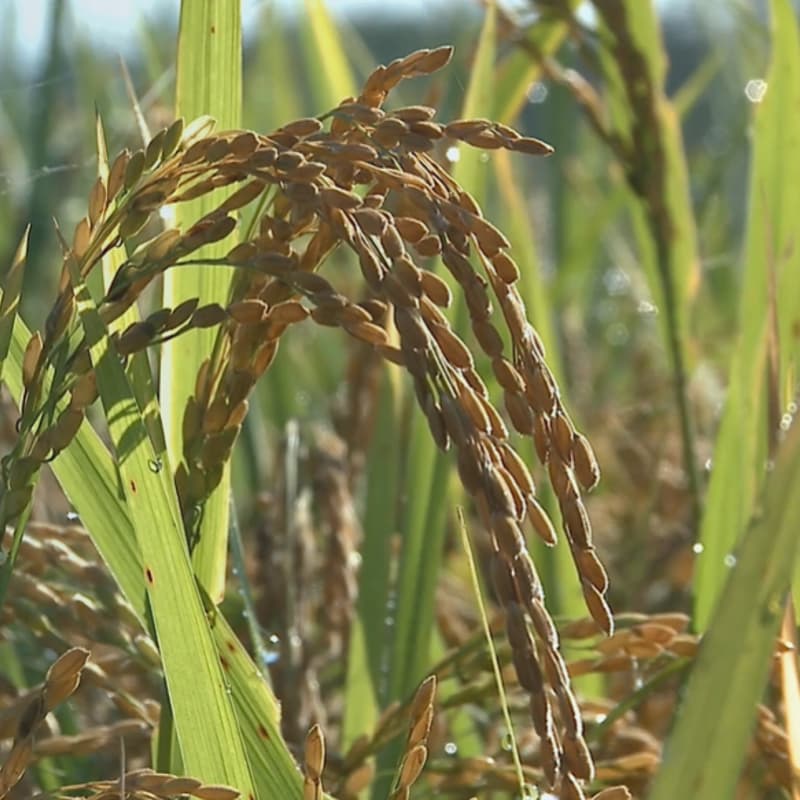

How decarbonization hits your dinner plate: Growing more rice with less methane
Rice is a staple for over half the global population, but it holds a hidden climate cost: traditional flooded paddies are a leading source of agricultural methane.
As part of DC Climate Week 2026, join us for a cross-sector deep dive into the emissions that stem from food and agriculture, particularly in rice supply chains. You'll hear from:
Richard Waite (Panel Moderator), World Resources Institute (WRI)
Marci Baranski, United Nations Environment Programme (UNEP)
Brian Segal, Indigo Ag
Jennifer Norfolk, Global Heat Reduction Initiative
We'll talk about high-level climate commitments as well as the realities of methane monitoring, reporting, and verification (MRV).
Why Attend?
For Policy & NGO Leaders: Understand the latest global perspectives on methane reduction pathways and the challenges of verifying practices in both the US and smallholder contexts across Asia.
For Corporate Sustainability Professionals: Gain a technical edge on Scope 3 quantification and the realities of implementing key solutions at scale, such as Alternate Wetting and Drying (AWD).
For Industry Stakeholders: Discuss the tradeoffs between yield, water management, and grain quality, as well as the landscape of scope 3 reduction and carbon credit programs.
DC Climate Week is not responsible for this event. It is organized by the organizing group, and being listed on the DCCW calendar is not an endorsement of content or partners.