How to Build and Run AI Projects Responsibly: AI Governance for NGOs
Most NGOs now agree that AI needs guardrails. Policies get written, risks get mapped, and safeguards get agreed. The harder part comes next: making sure those rules are actually followed while AI solutions are being designed, built, and run, often by partners, vendors, or small internal teams.
This session is part of our Responsible AI Adoption in NGOs series. Here we move from principles to practice: how NGOs can use an AI governance platform to keep their AI projects within agreed guidelines, from the first requirement to day-to-day operation.
You don't need to build anything yourself. We'll show what a governance platform should do for your organization, what to look for, and how it works in real projects, using Umaku as a concrete example from our own work, including data projects. Governance here is not just rules and regulations. It means having the visibility to know that every solution is built the way it was agreed, and the evidence to show it to your board, donors, and the communities you serve. No technical knowledge required, and no need to have attended the earlier sessions.
Agenda
From risks to rules: the main ethical risks NGOs face with AI and the safeguards that address them, and the question this session answers: how do NGOs make sure those safeguards are actually followed in their AI projects?
The governance landscape, in brief: a quick map of the field, from the EU AI Act and US frameworks to data governance, and where project-level governance fits for NGOs.
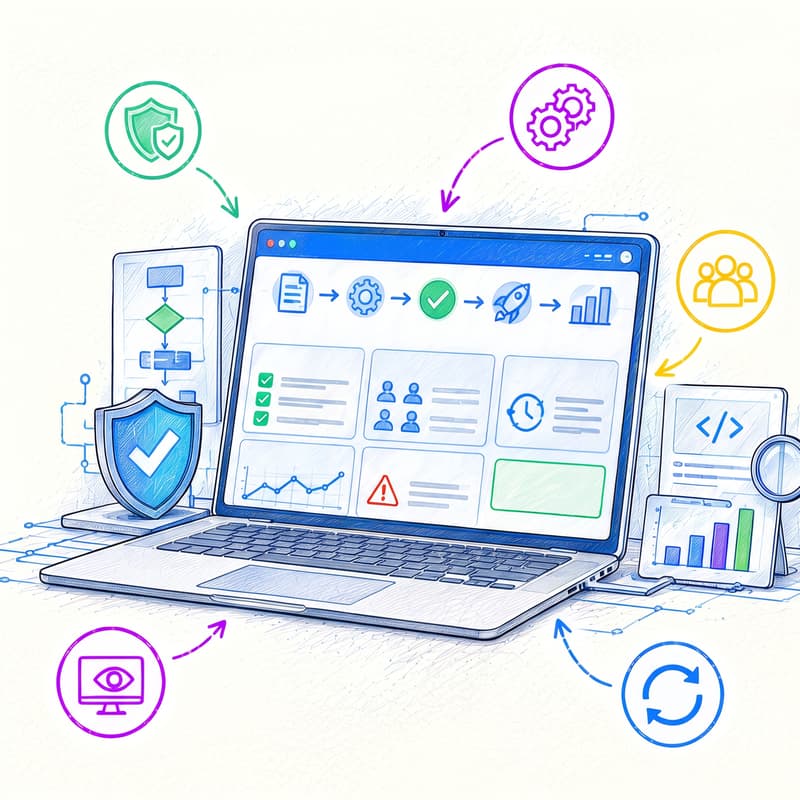
What an NGO should expect from a governance platform: clear policies and rules, guidelines built into the project workflow, defined roles and accountability, traceability, observability, and review points, and why each one matters for donors and beneficiaries.
Inside Umaku: governance in action: how rules are defined and applied across the project lifecycle, with examples from our data projects, and how observability helps check that what gets built matches what was agreed.
Getting started: an honest look at what a platform can and can't do today, and practical first steps for NGOs setting up governance for their AI projects.
Live Q&A
Who should attend
NGO executive directors, board members, and senior leaders
Program, operations, and MEL managers
Data protection, safeguarding, and compliance leads
Digital, IT, and innovation teams in nonprofits and humanitarian organizations