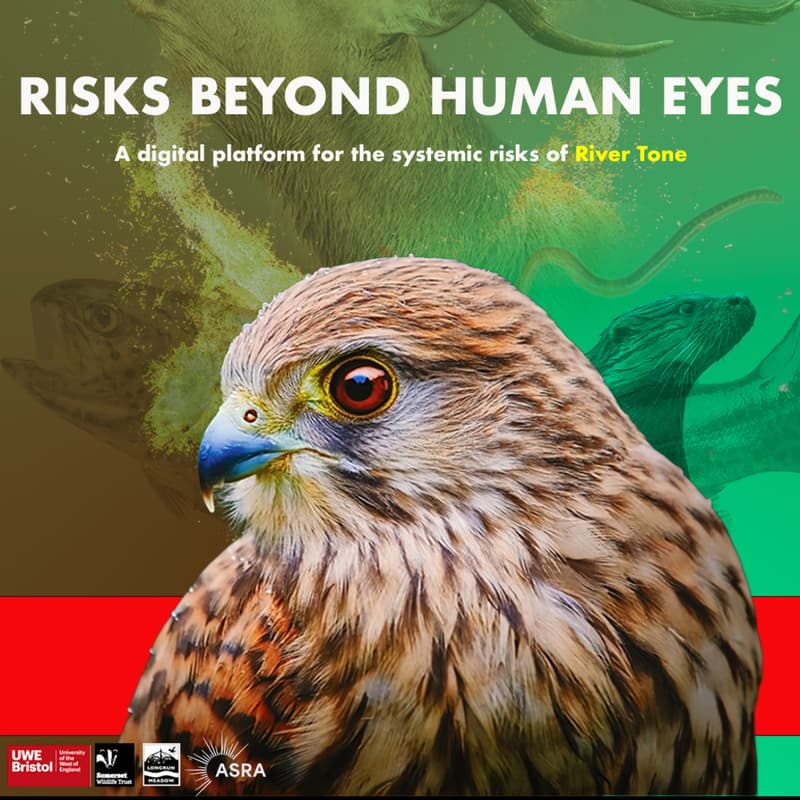

River Tone Risks Beyond Human Eyes: Planning Human-Animal Collective Action
Time to respond.
Over the last 4 weeks, the team have been busy analysing and assessing the systemic risks you - the nonhuman animals of this river - told us about. In this session, we're present back our assessment and together, using a novel framework that ensures we're still collaborating with our nonhuman animals, we'll switch into planning our responses. We'll encourage you to be cunning, crafty, creative and bold as you plan your campaign. This is where we start getting serious about taking action.
Please try and make it as this will be the last working session before the culminating project end event on 27 May.
-
What to expect. Set into the human-animal operational planning centre. It's mission planning time. Think big screen with risk analysis, lots of creative and bold thinking about tactics and working up plans to act.
What to bring: (1) Bring your Animal Collaboration Guide. (2) If you have laptop, and like typing, please your device and (3) bring some natural material (stones, bark, leaves etc.).
Looking forward. Once this session is complete, the team will conduct an integration exercise and advanced planning synchronisation of your inputs. The final Systemic Risk Assessment (SRA) complete with an operational plan for your Systemic Risk Response and the People of River Tone ethics and usage statement will be shown in on the 27 May at the Museum of Somerset.
-
For the full project info, please see our Project FAQs document.
This project is open to anyone from the River Tone catchment - from Elworthy to Burrowbridge, Luxhay to West Bagborough. Come and join this bold attempt to reconnect River Tone with their people and animals, and make new friends along the way.
-
Dates for your diary:
Confirmed.
Week of 27 May Final half day gathering in-person, “collective action and reflections", in Taunton with food.
-
This project is kindly funded by the EPSRC's Ecological Citizen(s) Network and led by the University West of England and ASRA, in partnership with Friends of Longrun Medaow and Somerset Wildlife Trust