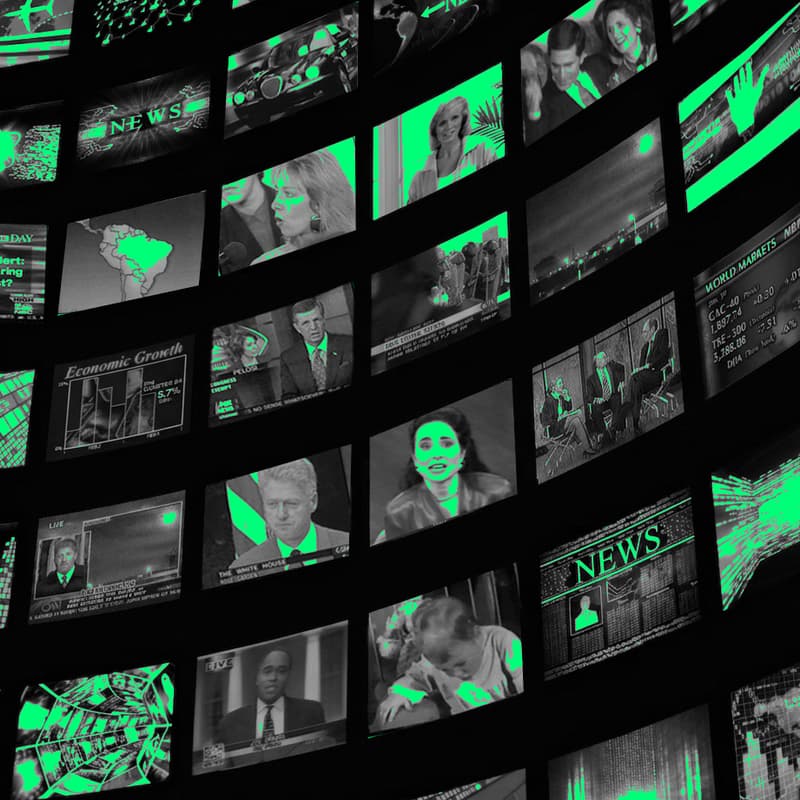

Media Literacy: Spotting Narrative Manipulation
Break down how media shapes narratives, what gets framed, what gets buried, and how readers can spot bias, spin, and agenda in real time.
We’re constantly told what’s happening. Rarely are we told how the story is being shaped.
This interactive workshop with Sydney Ziems of Shadowbanned Magainze breaks down how media outlets frame narratives, choose language, and shape public perception. Together, we analyze headlines, compare coverage of the same events, and practice spotting bias, omission, and spin in real time.
Participants will also rewrite stories themselves to see how easily a narrative can shift.
Program
History of Media & Propaganda: From Edward Bernays to Now
This section briefly introduces the historical foundation of media manipulation, moving from early propaganda and mass messaging to the rise of public relations and psychological persuasion. The discussion highlights the influence of Edward Bernays and the concept of “engineering consent,” which reframed media as a tool for shaping public opinion. The conversation then connects this history to today’s media landscape, including consolidation, the 24-hour news cycle, and algorithm-driven distribution. This context helps participants understand that narrative shaping is not new, but an evolving practice.
Same Story, Different Reality
Participants review multiple headlines covering the same event and analyze how tone, language, and emphasis shift meaning even when the underlying facts remain similar. The group discusses what emotional cues are being used, who is centered in the story, and what context may be missing. This exercise demonstrates how narrative framing operates in practice and introduces the idea that perception is shaped through selective emphasis.
The Tools of Narrative Manipulation
This section introduces a practical framework for identifying common techniques used to shape public perception. Participants learn how framing, language bias, selective sourcing, omission, and false balance function across different types of media. Examples are discussed collectively to illustrate how these tools appear in headlines, articles, and social media posts. The focus is on developing a shared vocabulary for analyzing media structure.
Deconstructing the Feed
Participants break into small groups to analyze real-world media examples, including articles, headline sets, or viral posts. Each group identifies the narrative being constructed, emotional cues embedded in language, missing context, and who benefits from the framing. This hands-on exercise allows participants to apply the framework introduced earlier and practice recognizing manipulation in real time.
Rewrite the Narrative
Participants reframe a single headline in multiple ways, shifting tone and perspective to demonstrate how easily narratives can change. By rewriting the same story from different angles, the group observes how language, emphasis, and context reshape meaning. This exercise reinforces the idea that narrative construction is intentional and flexible.
Workshop Outcomes
Learn the history of media and propaganda
Practice spotting bias, spin, and omission
Learn how narratives shift
Resources
“We are governed, our minds are molded, our tastes formed, our ideas suggested, largely by men we have never heard of.” ― Edward Bernays
Instructor Bio
Sydney Ziems is a designer, writer, editor, and cultural organizer working at the intersection of media, power, and design. As the founder of Shadowbanned Magazine and its publishing arm Shadowbanned Press, she blends visual language and critical analysis to interrogate systems of power and culture.