
Using SciSpace Responsibly: Trust, Evidence, and AI
AI is transforming the way researchers discover, read, and write about science. But with that power comes an important question: how do we use it responsibly?
In this session, we explore the intersection of AI, trust, and evidence in academic research. We'll go beyond the hype to examine what it really means to use AI tools ethically and critically, ensuring that the research you produce is not just efficient, but credible, transparent, and grounded in evidence.
What you'll learn:
How to evaluate AI-generated outputs critically before using them in your research
The importance of verifying citations, summaries, and claims produced by AI
How to maintain academic integrity when integrating AI into your workflow
Practical frameworks for using SciSpace responsibly across research tasks
How to communicate AI use transparently in your academic work
In a world where AI hallucinations are making their way into peer-reviewed journals, knowing how to use these tools responsibly isn't optional, it's essential.
Whether you're a student, researcher, or academic professional, this session will equip you with the critical thinking skills needed to make AI work for your research, not against it.
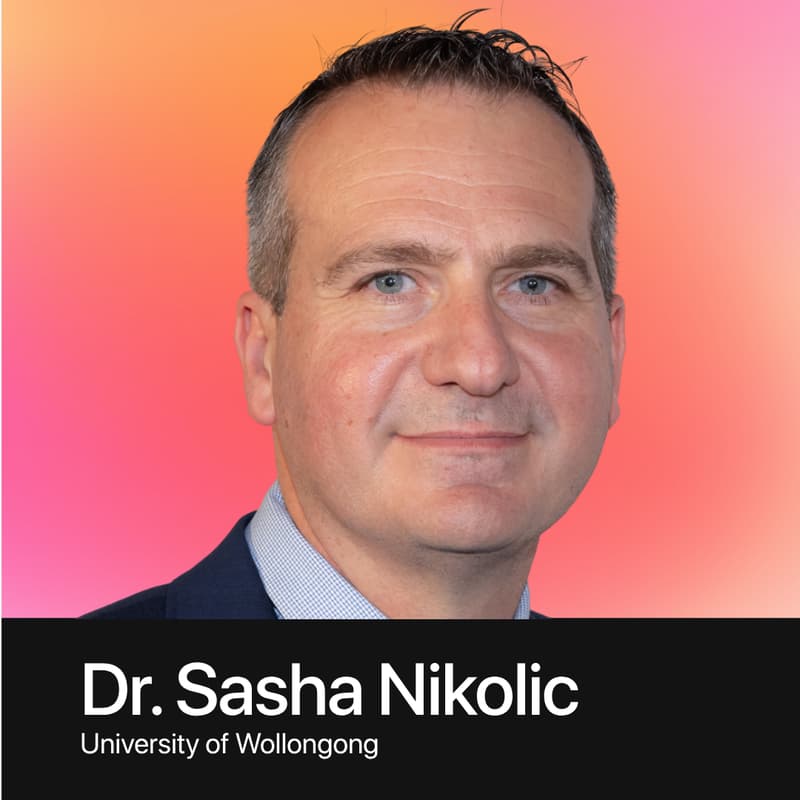
About Speaker
Dr Sasha Nikolic is an Associate Professor at the University of Wollongong, holding a PhD in Engineering Education and a BE in Telecommunications. A key focus of his recent work is the role of Generative Artificial Intelligence (GenAI) in reshaping education. Sasha leads collaborative, multi-institutional research that examines GenAI’s impact on academic integrity, curriculum design, assessment authenticity, and the evolving role of educators. His work highlights how GenAI is not only a technological disruptor but a catalyst for reimagining teaching and learning practices across engineering and higher education. Through the Australasian Artificial Intelligence in Engineering Education Centre (AAIEEC), which he founded and currently leads as President, Sasha coordinates national workshops, policy reviews, and research clusters that provide holistic oversight of the risks, opportunities, and human-centric competencies essential for thriving in AI-augmented learning environments. He is also a sought-after speaker and consultant on GenAI in education, offering research-driven insights through keynote addresses, professional development workshops, and strategy sessions for educators, institutions, and policymakers.
Sasha is internationally recognised for his leadership in engineering education, receiving numerous accolades including Australian Awards for University Teaching Citations (2012, 2019), University of Wollongong Outstanding Contribution to Teaching and Learning Awards (2011, 2018, 2025), AAEE Awards (2019, 2023, 2025), the IEEE NSW Outstanding Volunteer Award (2024), the SEFI Best Paper Award (2024), and the IEEE Education Society Meritorious Service Award (2023). He also champions laboratory learning as a space for developing uniquely human capabilities in an AI-enhanced education system.