
Is Your AI Stack Ready for Its Worst Day?
Data centers used to fail because of power cuts, fiber cuts and bad deploys. Now they’re also targets. Facilities are on military target lists. Activists are protesting them. Ransomware crews go after them, and they’re in the sights of political actors and terrorists.
If you’re building or running AI infrastructure, “what’s our DR plan?” is no longer something you answer at the annual audit. This session covers the new threat landscape and the architecture, tools and habits that keep AI systems running and secure when something goes badly wrong.
Speakers, AI Infrastructure Experts:
Spiros Andreou (VP Platform Ops & Security, Weaviate)
Yiying Zhang (Co-founder & CEO, GenseeAI; Associate Professor of Computer Science & Engineering, UC San Diego)
Agenda - A Panel Discussion covering:
The new AI threat map: How the risks facing data centers have changed, and what that means for where and how you run AI workloads.
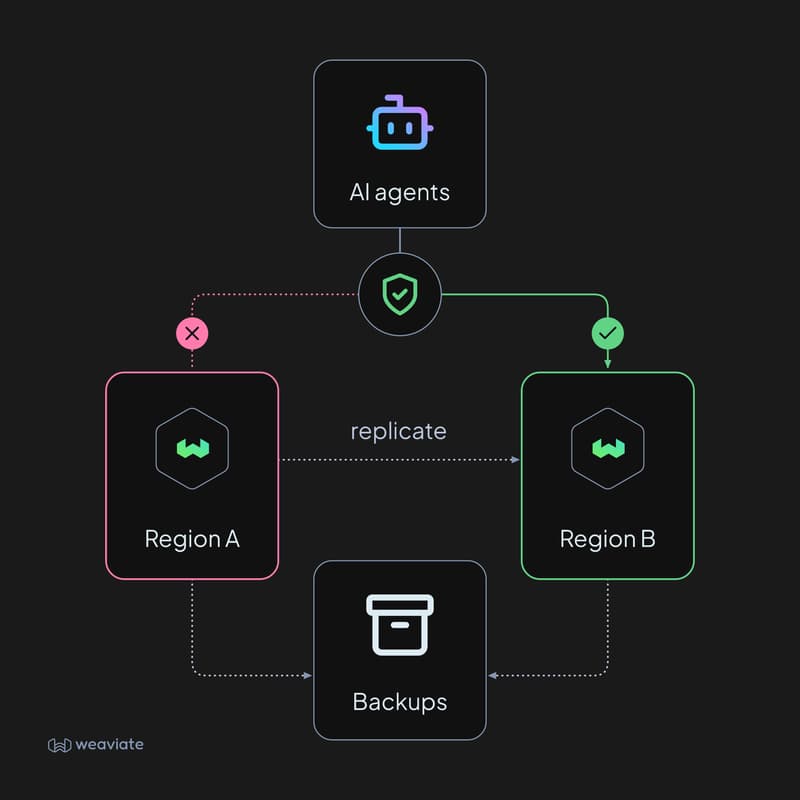
Designing to lose a site: Replication, off-site backups and fast restores for AI data. How to set RTO and RPO targets for AI stack components, and why a restore you haven’t tested isn’t a plan.
Agents are part of the blast radius: In a crisis, AI agents with broad permissions can make the damage worse. How policy enforcement, activity monitoring, isolated workspaces and a single investigation record keep agents in check when everything else is under strain.
From plan to drill: A run-through of a regional loss scenario, from first alert to recovery.
(Spiros Suggestion): balancing cost and risks, especially if there are DR components that will be hard to fail over like specific GPUs. Considering agentic memory too which is likely to be mission critical for apps like anomaly detection, fraud prevention - how expensive it would be to replicate that cross region to fulfil an RPO/RTO
Live Q&A