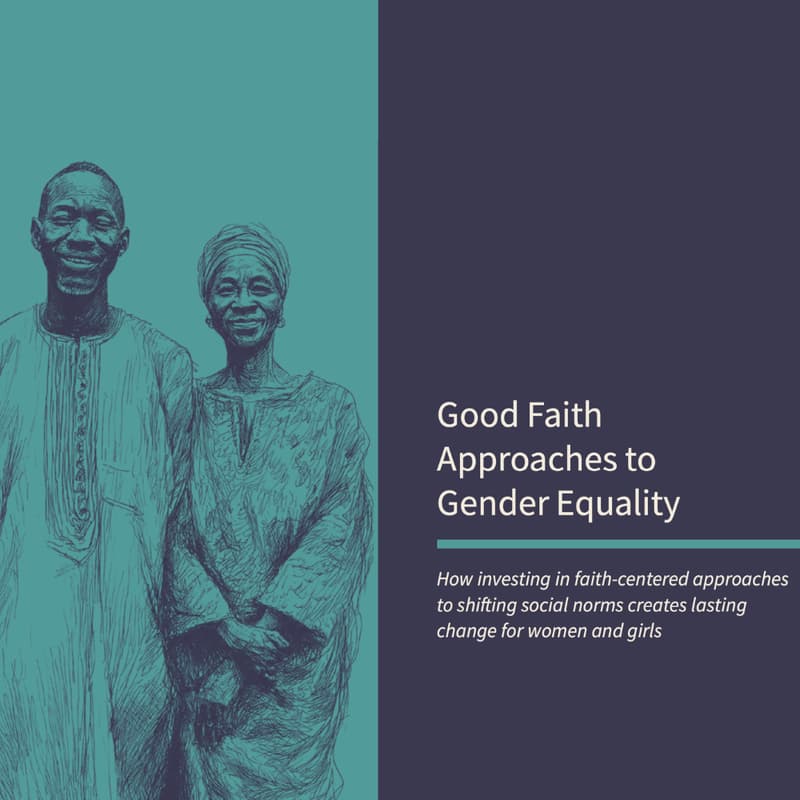

Engaging Faith for Social Change: What Works in Practice
About the session
Faith leaders and communities play a significant role in shaping social and gender norms across many contexts. Yet for many organizations, engaging with faith can feel complex, with experiences ranging from deeply transformative to highly challenging.
This interactive session will explore how faith-based engagement can contribute to social change, specifically through shifting norms, elevating the status of women and girls, and expanding their life opportunities. The session will drawing on the experience of organizations working closely with faith leaders and communities in Africa.
The session will open with a short introduction to the Imago Dei Fund’s support for Good Faith Approaches, followed by reflections from Imago Dei grantee partners working in Uganda (Nyaka), Kenya (Nyanam), and Burundi (Foi en Action). These perspectives will highlight how faith engagement has been used to shift social and gender norms, opening powerful pathways for lasting change for women and girls, and what has been learned along the way.
Participants will then move into small group discussions to reflect on their own experiences. Together, the group will explore questions such as the role faith leaders play in social change efforts, and what distinguishes effective approaches from less effective ones.
The session will close with a shared discussion, bringing together key insights and questions from across the room.
Who this is for
This session is for practitioners, funders, and leaders working on social change who are engaging with, or considering engaging with, faith leaders and communities in their work.
What you will get out of it
First-hand perspectives from organizations working on faith-based approaches to social and gender norm change
Space to reflect on your own assumptions and experiences with faith engagement
Insights into what makes engagement with faith leaders effective or challenging
A chance to exchange ideas with others navigating similar questions across different contexts