
Behavioural Science at the Last Mile of Aid: Bridging Evidence,Implementation, and Impact
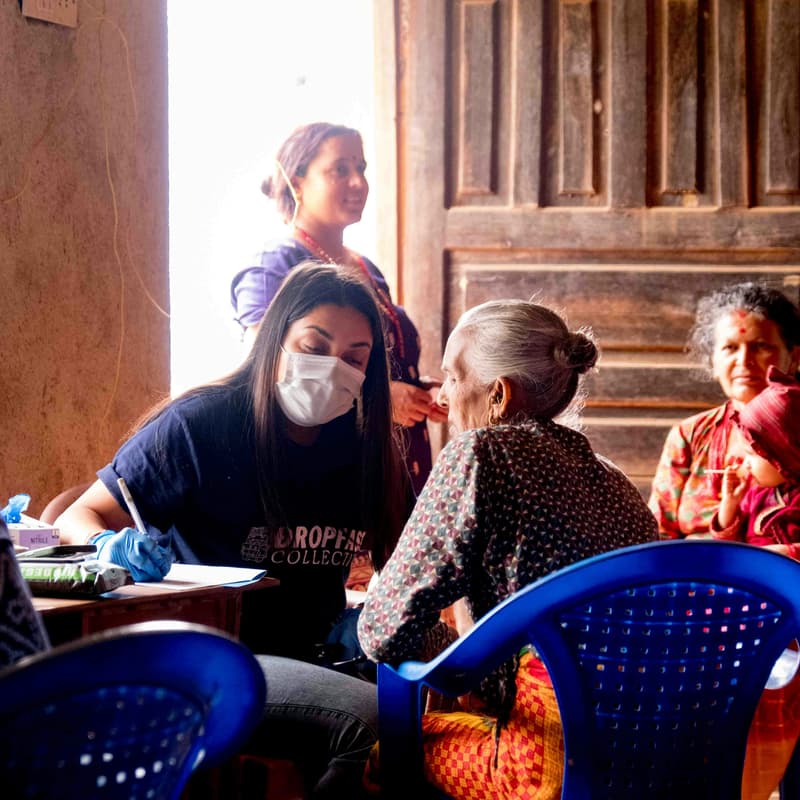
About the session As aid budgets tighten and pressure to demonstrate impact grows, improving the “last mile” of delivery is more important than ever. Life-saving vaccines are on the site, but children don’t get vaccinated; insecticide treated nets reach a household, but families don’t always sleep under them; cheap contraceptives are available in shops; but young people at risk don’t get them. This panel will explore how behavioural science can help address barriers to uptake, and how rigorous evidence can guide decisions about which interventions to test and scale in low-resource settings to achieve impact on the ground.
The session will bring together leaders from the Behavioural Insights Team, the Malaria Consortium, and J-PAL , combining perspectives from behavioural science, rigorous evaluation, and frontline program implementation in the Global South. Together, they will examine how programmes lose beneficiaries between provision and uptake, what value can behavioural approaches add, and how to balance urgency with rigour when improving and scaling delivery across LMICs.
The session will be interactive, with substantial time dedicated to audience Q&A and discussion.
Who this is for
The discussion will be especially relevant to those interested in how scarce resources can achieve greater impact through stronger evidence, better implementation, and more effective partnerships.
This session is designed for those shaping programme design, delivery, evaluation, and funding in international development, particularly in low- and middle-income countries, for example:
Bilateral and multilateral donors focused on international development
Philanthropic funders and foundations focused on international development
International NGOs
Government officials and policy actors working internationally
Panelists
The panel brings together leaders from organisations at the forefront of applied behavioural science, global health delivery, and evidence-to-policy translation in the Global South:
Monica Wills-Silva, Director of International Programmes, The Behavioural Insights Team (BIT)
Dr James Tibenderana, Chief Executive, Malaria Consortium
Aparna Krishnan, Evidence-to-Policy Senior Advisor and former Executive Director, J-PAL South Asia
What you will get out of it
Participants will leave with:
A clearer understanding of the barriers that prevent services from translating into real uptake and impact
Practical insight and case studies on how behavioural science can strengthen programme delivery
A sharper sense of why rigour, testing, and evidence matter in resource-constrained settings
Ideas for how donors, NGOs, and delivery partners can make better decisions about what to fund, adapt, and scale
Opportunities to engage with others working at the intersection of evidence, implementation, and impact