
Vibe Coding Is a Trap
You've been shipping fast. The question is whether any of it will still be standing in three months.
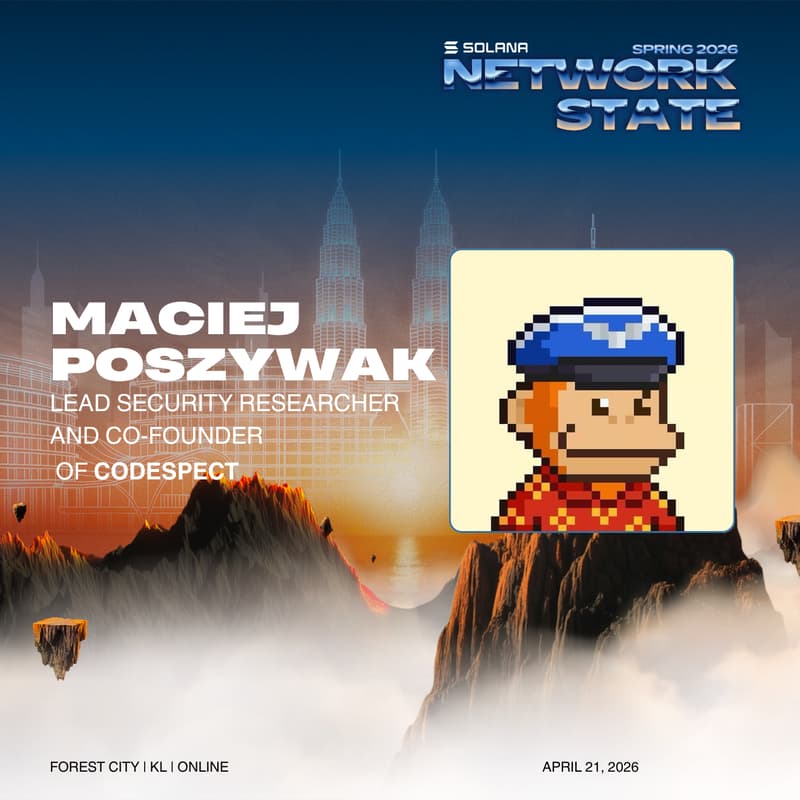
Maciej Poszywak, Lead Security Researcher and Co-founder of CODESPECT, has spent years auditing what AI-built codebases actually look like under the hood. The picture is not pretty. Vibe coding feels productive with rapid output, instant results, the dopamine hit of watching something appear on screen. But the projects that come out the other side tend to share the same failure modes: ballooning API costs nobody noticed until it was too late, architectures that can't be extended, and a graveyard of half-built products stuck at 85% completion.
Maciej breaks down exactly why this happens and how to escape it. The session covers the real cost of AI-assisted development and how teams silently burn through hundreds in API spend, the "85% Rule" and why it kills more projects than bad ideas do, and model arbitrage, using the right AI at the right stage to cut costs by 60% or more without slowing down. You will walk away with a structured workflow for building production-ready systems with AI, and a shift in mental model from prompting to actually managing AI like a senior developer would.
This is directly relevant to every Colosseum team building with AI tools right now. Hackathon demos that work once are easy. Submissions that judges believe could survive in production are rare. The gap between the two is almost always architecture and discipline, not ideas or effort.
What you will walk away with: a framework for structured AI-driven development that ships and holds, a clear-eyed view of where vibe coding silently kills projects, practical model arbitrage strategies you can apply to your current build, and a workflow for reducing technical debt before it accumulates.
Your Colosseum deadline is fixed. The question is how much of what you build this week will actually be submittable.
Can't make it IRL? We gotchu!
Dial-in: meet.google.com/vni-qnbj-ocm