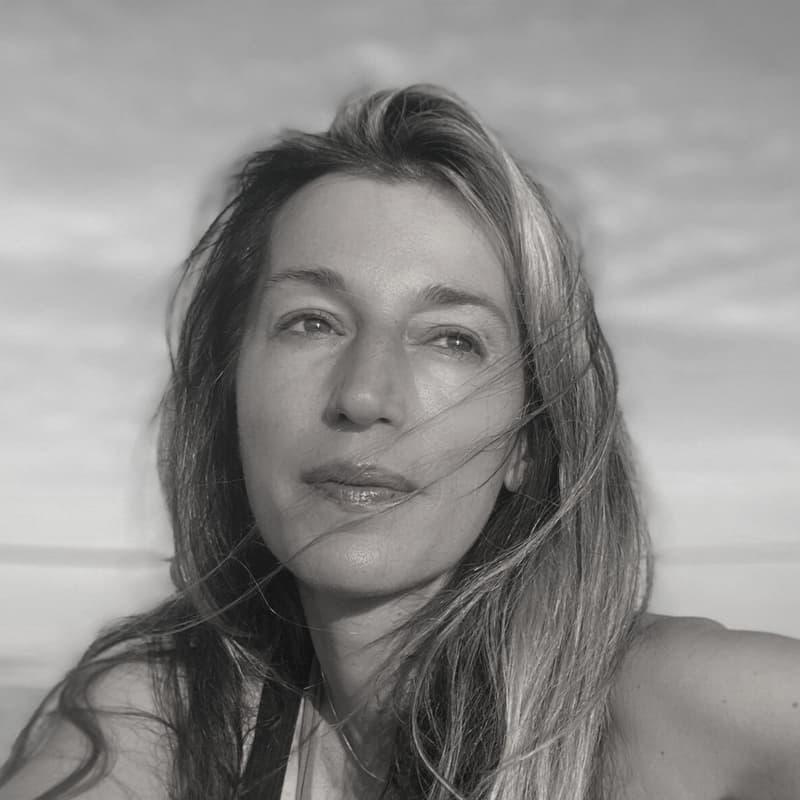
A Three-Part Intensive with Alina Stefanescu
Alina will be leading three sessions:
April 25, 12-2 EDT
May 23, 12-2 EDT
June 20, 12-2 EDT
1) Shadowgraphia: The Uses of Shadows in Fiction
“Possession is an art of absolute fiction,” declared Rene Descartes as he considered the relationship between art and demonic possession.
Despite the demonic associations, fiction has always made use of shadows to develop, characterize, and complicate narrative. Lucifer was an angel whose maleficent spirit got the best of him. Witches are dangerous because they make use of “dark magic” to meet their ends. The artist who fashions his work as godlike enters the realm of “deception.” God was the first Creator, and Satan was the first actor to zealously imagine himself in God’s place.
In this generative workshop, we’ll examine how authors use shadows to tell stories, from Peter Pan to Marcel Proust. Then, we’ll use shadows to tell our own stories.
—
2) Sophie Calle, Self-Framing, and Writing Through Imagined Encounters
This session will explore how artists and writers construct intimacy, perspective, and narrative through imagined encounters. Using the work of French artist and writer Sophie Calle—known for projects that blend photography, storytelling, surveillance, and performance—we will examine how creative constraints can generate unexpected narratives.
Calle often creates elaborate situations in which people unknowingly become part of a story, following strangers through cities, inviting others to interpret personal artifacts, and inventing fictional frameworks that blur the boundary between fact and imagination. These unusual narrative strategies have inspired writers such as Paul Auster, Grégoire Bouillier, and Enrique Vila-Matas, who have incorporated Calle-like devices into their own work.
In this workshop, we will look closely at how intimacy is created in writing—through voice, pronouns, address, and narrative framing. We will also examine several of Calle’s staged scenarios, which rely on collaboration, chance, and invented rules, before writing our own short pieces inspired by Calle’s methods.
—
3) New Worlds On the Page: Imagining the Painting’s Infinities
HE: Why do you write?
ME: To trick myself into being satisfied with what exists. Writing releases me from my fear of running away. The imaginary holds me in place, pinned to the scene for an instant.
HE: But isn't it real, then? Aren’t you bringing these characters into the world of your reckoning in order to give yourself a false sense of company? I mean, do you believe in them?
ME: I do. That’s the worst part of it. I believe in them.
HE: How?
In A Treatise on Painting, Leonardo da Vinci described a new method for “awakening the mind to a series of inventions…by looking attentively at old and smeared walls, or stones and veined marbles of various colors, you may fancy that you see in them several compositions, landscapes...with an infinity of other objects.”
And, so, we will look attentively at three paintings and invent worlds for them. This workshop dives into the untamed parts of our imaginations and honors the possibilities that hold us in place.