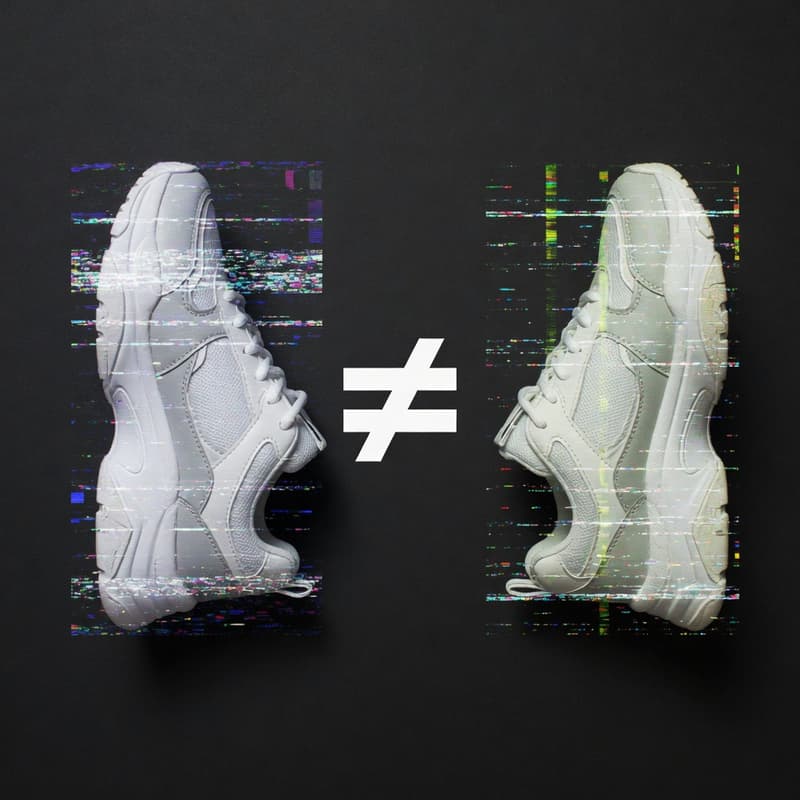

T+0 physical unclonables
Join our discussion of physical authentication technologies for tokenized RWAs and T+0 commerce.
Today, real-world asset (RWA) tokenization projects face ongoing challenges in securely linking physical objects to their on-chain digital representations. Common methods such as QR codes, NFC tags, or printed serial numbers can be duplicated. But let's compare these physical authentication methods.
Physical authentication needs to work reliably (although not immediately) for T+0 commerce.
We'll explore physical unclonables for , hard-to-replicate identifiers. Unclonix is developing physical labels that use scattershot printing intended to function as unconables. Each label is designed to be distinct and, in principle, difficult to reproduce exactly. These are positioned as a potential “physical trust layer” for tangible RWAs, with a different verification process.
Come share your thoughts with the people exploring these approaches. You can expect to discuss:
Unclonix’s label technology, its claimed security properties, and the practical trade-offs between ease of smartphone verification and maximum security (which may require additional equipment)
Current pilots and lessons learned
Potential applications in luxury goods, collectibles, art, fine wine, pharmaceuticals, and documents
How physical authentication methods could integrate with blockchain-based T+0 settlement and programmable money
Technical, adoption, and ecosystem-integration considerations
Our members for this discussion include:
William Entriken (@fulldecent) — lead author of ERC-721 and host of the T+0 commerce series. Recently received and tested physical samples from Unclonix and noted their potential utility for product labeling, authentication, and reverse logistics of medium-value items.
Martin Sandomirsky — co-founder of Unclonix, with a background in optics and nanophotonics. Developing physical labels intended to provide a secure link between tangible objects and digital tokens.