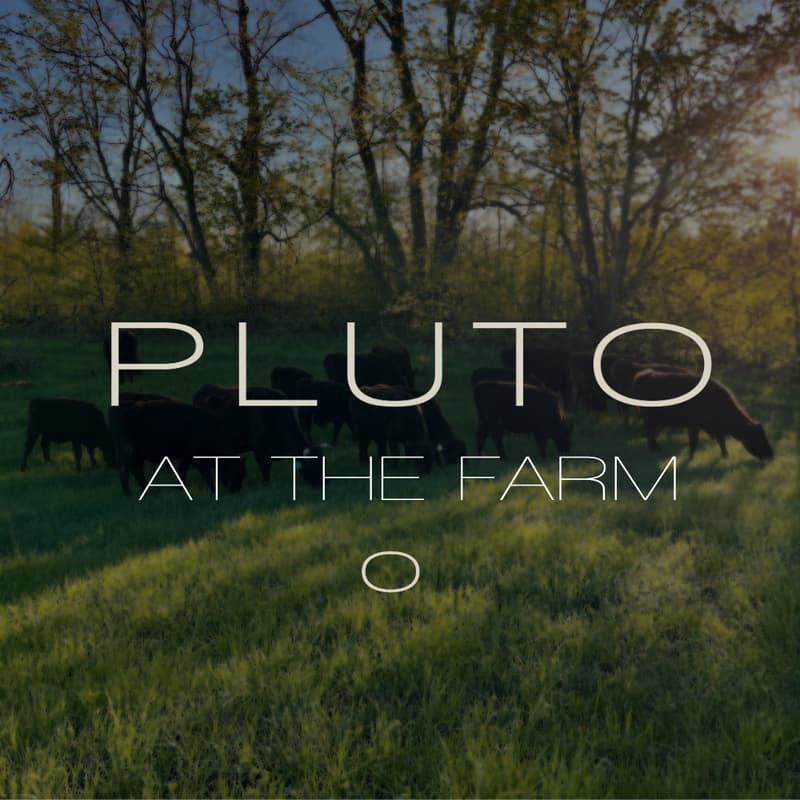

Pluto x Merkaba Acres: A Day at the Farm
Today, we're trading The Magic Building for the Magic Land. Streets for soil, screens for sky, as we gather at Merkaba Acres, our regenerative farm partner for a full day of land, food, water, and each other.
We'll tour the property with the farmers who tend it. Meet the cattle. Visit the chickens. Wander the market garden and learn what it actually takes to grow clean, healthy food in relationship with the land. Option to swim in the spring-fed pond. Share a soil to plate meal pulled straight from the grounds around. And for those who stay, end the day around a bonfire under a sky full of stars.
This is the second half of the Pluto vision made visible -community first, land second. Come see where it's headed!
Logistics at a glance
Carpools depart Pluto (60 Sumach St) at 8:30 AM
Arrival at Merkaba Acres ~10:30–11:00 AM
Full day programming through the evening
Overnight options: tent camping on property, limited geodesic dome spots, or nearby hotels
Farm-to-table meals included
25 person capacity
About Merkaba Acres
Merkaba Acres is the regenerative farm partner of Pluto — the land-based counterpart to what we're building at 60 Sumach. Where Pluto is the clubhouse for connection in the city, Merkaba is the field, the forest, the pond, and the fire. It's where the work of community extends into the work of land.
The farm operates as a living system rather than a production line. Cattle rotate across pastures, chickens follow behind them, the market garden grows food without synthetic inputs, and the pond, woodlots, and pastures all function as part of a larger whole. Nothing is grown in isolation. Everything is in relationship, animal to soil, soil to plant, plant to person, person back to land.
Our partnership with Merkaba is part of Pluto's longer vision: a Toronto community deeply rooted in human connection, with land-based experiences and a regenerative ranch network as its natural extension. Merkaba is where many of those threads come together.
What Is Regenerative Agriculture, and Why Does It Matter?
Most of the food on most of our plates comes from an industrial system that treats land as a resource to be extracted from. Soil is tilled until it's exhausted. Synthetic fertilizers replace what was depleted. Monocultures stretch to the horizon. The system produces calories at scale, but at the cost of soil health, water systems, biodiversity, animal welfare, nutritional density, and the rural communities that once stewarded the land.
Regenerative agriculture asks a different question. Not how do we extract more? but how do we leave the land better than we found it?
In practice, that looks like:
Soil as a living organism. Healthy soil is full of microbes, fungi, and life. Regenerative farms protect and rebuild it through cover cropping, minimal tillage, composting, and rotation. Healthy soil holds more water, sequesters carbon, and grows more nutrient-dense food.
Animals as partners, not products. Cattle rotated thoughtfully across pasture mimic the way wild herds once moved, fertilizing the land, stimulating root growth, and improving soil. Chickens following behind clean up pests and add another layer of fertility. The animals are doing work the land needs.
Diversity over monoculture. A market garden with dozens of crops, hedgerows, woodlots, wetlands, and pasture creates resilience. When one thing struggles, the system holds.
Closed loops. Waste from one part of the farm feeds another. Inputs from outside the system are minimized.
The result is food that tastes like something. Land that gets healthier each year rather than more depleted. A model of agriculture that draws down carbon instead of releasing it. And a relationship between people and food that isn't mediated by a supply chain we can't see.
Why This Matters for Pluto
Pluto exists because we believe modern life has hollowed out the connections that make us human, to each other, to place, to meaningful work, to the rhythms of the natural world. The clubhouse on Sumach addresses one piece of that. Merkaba addresses another.
There's a reason almost every spiritual and philosophical tradition has held food, land, and gathering as sacred. There's also a reason almost none of us, in modern urban life, have a relationship with the land that feeds us. Closing that gap, even for a day is part of what we're here to do.
This day is a small taste of a bigger arc. The land has things to teach that the city can't. We're going to go listen.
What to Expect
Morning — Arrival and the Land
Carpools depart Pluto at 8:30 AM and arrive at Merkaba by late morning. We'll gather for a brief opening circle, then walk the property together with the farmers through the market garden, past the cattle on pasture, by the chickens, and down to the pond. Along the way, the people who tend this land will share what they're doing and why, and what they've learned from years of doing it.
Midday — Pond and a Meal
After the tour, the pond is yours. Swim, float, sun, rest. When you're ready, we'll gather for a long-table lunch made from the farm itself — vegetables harvested that morning, meat raised on the pasture you just walked. The chef will walk us through what's on the plate and where on the property it came from.
Afternoon — Choose Your Own Adventure
Three parallel offerings to honour different kinds of energy:
Hands in the dirt — a working session with the farmers (harvesting, seed saving, planting)
Stillness — a guided forest walk, sound bath in the geodesic dome, or hammocks and books
Play — lawn games, swim round two, casual sport
Early evening — Sunset and a Pause and Nourishment
A natural breakpoint. Food and drinks. Day-trippers begin saying goodbyes; overnight folks settle in and pitch tents. Carpools back to Toronto leave around 6:00 PM.
Evening — Dinner and Bonfire
A lighter, more casual meal as the light shifts. Then the fire. Music for those who want it.
Sunday morning — Farewells
Logistics
Date: Saturday, July 25, 2026 (with optional overnight into Sunday, July 26)
Carpool departure: 8:30 AM from Pluto, 60 Sumach St
Arrival at Merkaba: ~10:30–11:00 AM
Programming runs: through the evening, with overnight options
Overnight options:
Tent camping on the property (bring your own gear)
Geodesic dome — limited spots, first come first served, mattresses and sleeping bags not included.
Nearby hotels — list of options provided upon RSVP
What's included: Transportation coordination, full farm tour, lunch, dinner (overnight guests), Sunday breakfast (overnight guests), all programming
What to bring: Swimwear, towel, sun protection, walking/hiking shoes, water bottle, layers for the evening, tent and sleeping gear if camping.