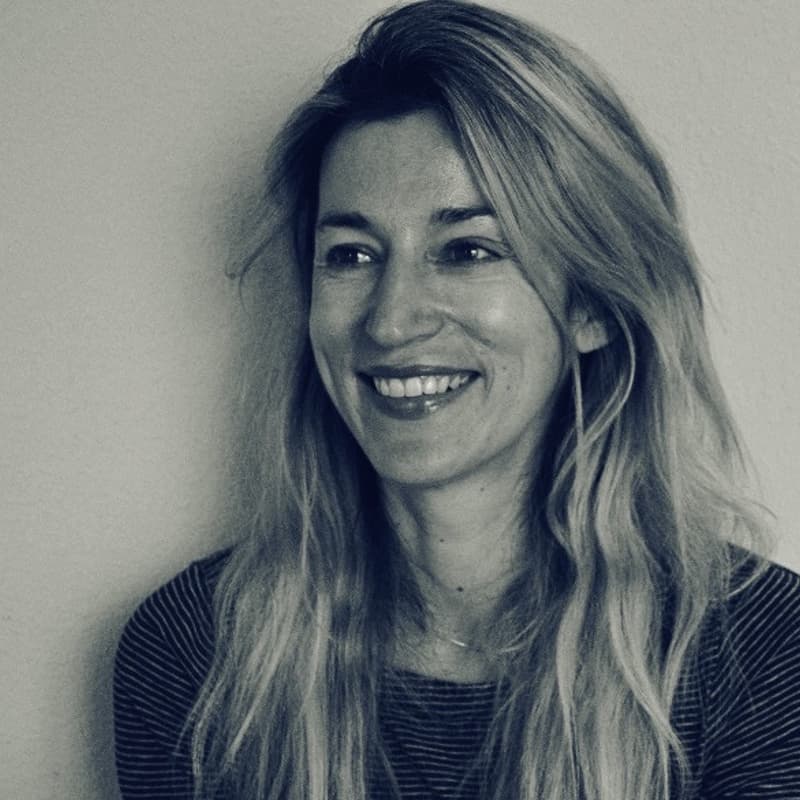
A Three-Part Intensive with Alina Stefanescu
Alina will be leading three sessions:
January 11, 12-2 EST; February 28, 12-2 EST; March 28, 12-2 EST
1) Techniques to Fictionalize Photography
“When I listen to music, gardens open out around me, and the melody becomes a flower I hear with my eyes.”
— Mahmoud Darwish, as translated by Catherine Cobham
There is a 1911 photo of composer Erik Satie talking to Claude Debussy. The two are smoking, leaning against what appears to be a mantle, although there is a painting or a mirror that duplicates the space behind Stravinsky. Debussy is looking at Satie, who is looking at Igor Stravinsky, the invisible guest in this photo. Stravinsky holds the camera: he takes the photograph.
My obsession with Satie has led to me writing poems in dialogue with his music as well as his person and theory. It has also been the seed of fictions that begin with photos taken in rooms that I cannot access. In such rooms, Satie becomes a character, an invention, a Proustian Albertine of sorts. Our obsessions create dialogues between images and texts. In this generative workshop, we will engage our obsessions to explore seven different ways to fictionalize a photograph.
2) Epigraphs in Fiction: Genius Loci and the Minor Gods of the Threshold
“Alienation is the exile of the emotions–of hope, of trust—sent away somehow so they won't betray us.”
— William Gass, “Exile”
The world of epigraphy raves on. We will ramble through some fantastic and creative uses of the epigraph to frame, develop, and expand short fictions. Among the many ways of thinking about relationality in texts, there is the possibility of counter-conversations and dialogues with the dead. In this workshop, we will explore the work that an epigraph can do in expanding the temporal field of the story.
3) Arsenal of Angels: Terrible and Beautiful Angelic Forms in Fiction
In a 1926 essay titled “The Superstitious Ethics of the Reader,” Jorge Luis Borges resurrected an entire “angelary” – an “arsenal of angels” – to bear on modern short fiction. “We must not be too prodigal with our angels; they are the last divinities we harbor, and they might fly away,” Borges wrote.
In this generative workshop, we’ll look at writers and artists who have brought hauntology to bear on their stories in various terrible and beautiful angelic forms. Flirting with our own variations on the angelary, we will play with ways of estranging the banality of everyday consumerism by introducing beings that cannot be socially-engineered, groomed for good behavior, or rendered definitive through material evidence.